Elora: An Elegant Handwritten Font for Crafters
There is a distinct magic in finding the perfect typeface that transforms a simple idea into a polished, professional product. As someone who spends hours designing labels, cutting vinyl, and arranging digital layouts, I know that the right font can make or break a project. That is exactly why Elora has quickly become a favorite in my design library. This delicate, elegant, and flowing handwritten font brings a level of sophistication to handmade goods that is hard to replicate with generic options. Whether you are creating wedding invitations, boutique packaging, or seasonal wall art, Elora offers the balance of beauty and readability that serious crafters need.
The Visual Charm of Elora
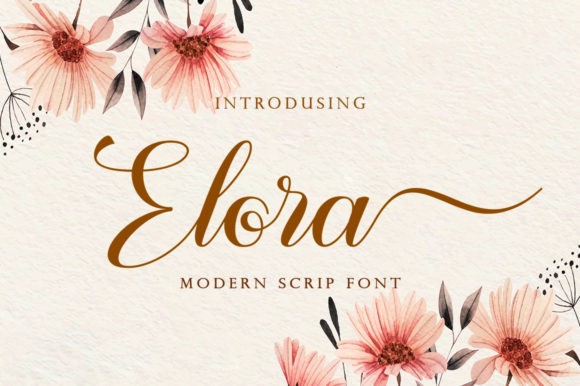
When you first load Elora into your design software, the difference is immediately apparent. It is not just another script font; it is a well-balanced typeface designed with intention. The characters flow naturally, mimicking the rhythm of a skilled hand without losing clarity. In the world of modern typography, many script fonts lean too far into decoration, becoming difficult to read at small sizes. Elora avoids this pitfall entirely. Its strokes are consistent, and the spacing between letters allows words to breathe, making it an excellent choice for both display use and shorter body text.
This visual personality makes Elora incredibly versatile. It carries a soft, romantic feel that works beautifully for feminine brands, yet its clean lines prevent it from looking cluttered. For creators who rely on Fonts to communicate brand identity, Elora strikes a perfect chord. It feels personal and artisanal, which is exactly what customers look for when they purchase handmade items or premium printables. The font's elegance elevates the perceived quality of your products instantly, suggesting care and attention to detail before a customer even touches the item.
Practical Applications for Handmade Products
The true test of any creative font is how it performs in real-world applications. Elora shines across a wide variety of physical and digital projects. One of my most frequent uses is for product labeling. When I am designing labels for candles, soaps, or bath bombs, I often pair Elora with a simple sans serif font. The script handles the brand name or the scent description with grace, while the cleaner font manages the ingredients and weight information. This combination ensures the label looks luxurious but remains legally compliant and readable.
Beyond labels, Elora is a powerhouse for stationery and event design. Wedding welcome boards, table numbers, and bridal shower invitations all benefit from its flowing nature. Imagine a rustic farmhouse sign where the phrase "Welcome Home" is rendered in Elora; the font adds a touch of warmth that bold block letters simply cannot achieve. Similarly, for birthday parties or baby showers, the font creates a celebratory atmosphere that feels curated rather than mass-produced. Because the characters are well-balanced, they scale down perfectly for small tags attached to gift baskets or up for large banners at a venue.
For those of us working with cutting machines like Cricut or Silhouette, Elora is also a reliable asset. Many script fonts fail when cut as vinyl because the curves are too tight or the stems too thin, leading to weeding nightmares. Elora's construction is robust enough to handle these processes. Whether you are applying the font to mugs, tote bags, t-shirts, or car decals, the design holds its integrity. This reliability saves time during production and reduces material waste, which is crucial for maintaining profitability in a small shop.
Enhancing Brand Identity and Customer Appeal
In the crowded marketplace of Etsy and other handmade platforms, consistency is key. Your font choices contribute significantly to your brand identity. Using a cohesive typeface like Elora across your packaging, social media graphics, and website helps customers recognize your work instantly. It creates a unified aesthetic that builds trust. When a customer sees your logo on a thank-you card, then again on a product tag, and finally on your Instagram post, the repetition reinforces your brand's professionalism.
Emotional appeal is another critical factor. A delicate handwritten font like Elora evokes feelings of intimacy and thoughtfulness. It suggests that the product was made with love, not just assembled. This emotional connection can drive sales, particularly in categories like greeting cards, planner stickers, and personalized gifts. Customers are often willing to pay a premium for items that feel special, and the typography plays a massive role in delivering that feeling. By choosing a font that matches the tone of your brand, you align your visual assets with the values you want to convey.
Mastering Font Pairing with Elora
While Elora is beautiful on its own, it reaches its full potential when paired correctly. The golden rule of font pairing is contrast. Since Elora is a fluid script font, it pairs exceptionally well with structured, geometric typefaces. A clean sans serif font provides the necessary stability, allowing the script to shine as the decorative element. For example, using a bold sans serif for headlines and Elora for subheadings creates a dynamic hierarchy that guides the reader's eye.
If you prefer a more traditional look, try pairing Elora with a classic serif font. The sharp serifs offer a nice counterpoint to the rounded loops of the script, creating a sophisticated and timeless combination. This pairing works wonderfully for wedding invitations or high-end packaging designs where a sense of heritage and elegance is desired. Avoid pairing Elora with other heavy script fonts, as this can create visual noise and reduce readability. Instead, let Elora be the star, supported by a neutral partner that keeps the design grounded.
Licensing and Commercial Use Considerations
As independent creators, understanding licensing is non-negotiable. Before integrating Elora into your business workflow, it is essential to verify the commercial license terms. Most premium fonts include a license that allows for the creation of physical products, such as t-shirts, mugs, and printed signs, as well as digital downloads like templates and SVG files. However, specific restrictions may apply to unlimited merchandise or resale of the font file itself.
Always ensure that your usage aligns with the license agreement provided by the foundry. If you are selling client work, such as custom logos or branding packages, check if an extended license is required. Using a properly licensed font protects your business from legal issues and supports the designers who create these valuable tools. Elora is designed to be a commercially useful asset, empowering sellers to build their businesses with confidence and creativity.
Final Tips for Working with Script Amp Fonts
When working with any script font within the Script Amp category, always check for included styles, alternates, and ligatures. These features allow you to customize the look of your text, adding unique flourishes or connecting letters in interesting ways. Elora likely includes these elements to give you maximum flexibility in your designs. Additionally, ensure you have the correct file formats (such as OTF or TTF) compatible with your design software, whether you are using Adobe Illustrator, Canva, or Procreate.
Remember that readability should never be sacrificed for style. Test your designs at the actual size they will be printed or cut. What looks clear on a large monitor might appear muddy on a small sticker. By keeping these practical considerations in mind, you can leverage the beauty of Elora to create stunning, sellable products that stand out in any market.