Zoanthropy: A Premium Handwritten Font for Web Design
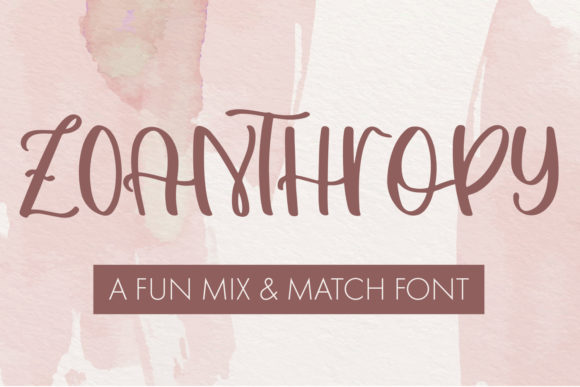
In the crowded landscape of digital experiences, the choice of typeface often dictates the first impression a user forms. As designers, we constantly search for that perfect balance between aesthetic charm and functional clarity. Zoanthropy emerges as a standout solution in the realm of Script Amp fonts, offering a delicate and elegant handwritten style that feels both personal and professionally crafted. Its distinct, well-rounded letters create a visual rhythm that is rare to find in standard digital libraries. This font is not merely decorative; it is a strategic asset for building brand identity, enhancing visual hierarchy, and guiding user engagement across websites, landing pages, and digital products.
The Visual Personality of Zoanthropy in Digital Layouts
When evaluating a new typeface, I look for versatility and character. Zoanthropy delivers on both fronts with its smooth curves and organic flow. Unlike rigid geometric scripts that can feel artificial on screen, this handwritten font mimics the natural motion of a pen, adding a layer of warmth to cold digital interfaces. The rounded edges soften the overall look of a layout, making it approachable without sacrificing sophistication. This makes it an ideal choice for brands that want to convey trust, creativity, and a human touch.
In web design, the personality of a font must align with the brand's voice. If you are designing a coaching website, a boutique online store, or a creative portfolio, Zoanthropy instantly communicates a sense of care and attention to detail. It transforms a standard hero section into an inviting space where users feel understood. The font's elegance allows it to stand out against clean, modern backgrounds while remaining legible enough to serve as a focal point for key messages.
Strategic Applications for Headers and Hero Sections
The true power of Zoanthropy lies in its application as a display font for high-impact areas. In my workflow, I reserve this premium font for headlines, hero titles, and short phrases where visual impact is paramount. Because script fonts can become difficult to read at small sizes, using Zoanthropy for body copy is generally not recommended. Instead, it shines when used to grab attention immediately upon page load.
- Hero Titles: Use Zoanthropy for the main headline on your homepage or landing page. Pair it with a subheadline in a neutral sans serif to guide the eye from the emotional hook to the factual details.
- Landing Page Headings: For product launches or course sales pages, use this font for section headers like "What You'll Learn" or "Meet Your Coach." It breaks up the monotony of standard text and adds editorial flair.
- Call-to-Action Areas: While buttons should usually be bold and clear, using Zoanthropy for the text inside a button can work wonders for luxury or lifestyle brands. Ensure the button background provides sufficient contrast to maintain readability.
- Banner Graphics: On online shop banners or promotional overlays, this font acts as a signature element, elevating the perceived value of the product being sold.
For example, imagine a landing page for a high-end skincare brand. A stark sans serif might feel too clinical. By introducing Zoanthropy for the tagline "Nature's Touch," the design instantly feels softer and more aligned with the product's benefits. This subtle shift in typography can significantly influence user perception and conversion rates.
Optimizing Readability and Responsive Design
One of the biggest challenges with script fonts in web design is ensuring they remain readable across all devices. Zoanthropy is designed with distinct letterforms that help mitigate common legibility issues, but smart implementation is still required. On mobile screens, where space is limited, the fluid nature of the font can sometimes cause letters to blur together if the size is too small.
To ensure optimal performance on responsive layouts, I recommend setting a minimum font size of 32px for desktop headers and scaling down carefully for tablets and mobiles. Avoid using this font for navigation menus or footer links where space is constrained. Instead, keep it strictly for above-the-fold content and major section dividers. When placing Zoanthropy over image overlays, always apply a subtle drop shadow or a semi-transparent background box behind the text. This ensures the white or light-colored letters pop against complex photographic backgrounds, maintaining accessibility standards.
Mastering Font Pairing for Modern Typography
No font exists in a vacuum, and the success of Zoanthropy largely depends on how well it is paired with supporting typefaces. To create a balanced and professional web design, you need a strong contrast between the decorative script and the functional body text. The goal is to let Zoanthropy sing while the secondary font handles the heavy lifting of information delivery.
A classic and highly effective pairing strategy involves combining Zoanthropy with a clean, geometric sans serif font. Fonts like Inter, Roboto, or Montserrat provide a structured grid that grounds the organic flow of the script. This combination creates a modern, editorial look that is popular in SaaS startups and tech-forward creative agencies. Alternatively, for a more traditional or luxury feel, pair Zoanthropy with a refined serif font like Playfair Display or Merriweather. This duo evokes a sense of heritage and authority, perfect for law firms, wedding planners, or literary blogs.
When establishing visual hierarchy, use the script font exclusively for H1 and H2 tags, then switch to the sans serif or serif for H3, paragraphs, and UI elements. This clear distinction helps users scan the page efficiently, knowing exactly where to look for inspiration versus where to find instructions.
Building Consistent Brand Identity Across Channels
Consistency is the cornerstone of a strong brand identity. Zoanthropy offers a unique opportunity to unify your visual language across various digital touchpoints. Whether you are creating social media graphics, email newsletters, or packaging design assets, using this font consistently reinforces brand recognition. Imagine seeing the same elegant, rounded script on your Instagram story, your website header, and your product packaging. That repetition builds trust and familiarity with your audience.
For digital product creators and app designers, incorporating Zoanthropy into onboarding screens or welcome messages can make the user experience feel more personalized. It breaks the ice and makes the interface feel less robotic. However, remember that this is a specialized tool. It should be used sparingly to highlight moments of connection rather than overwhelming the user with excessive decoration.
Licensing and Technical Considerations for Developers
Before integrating any commercial font into a client project or a live website, understanding the licensing terms is crucial. Zoanthropy typically comes with a license that covers web usage, ensuring you can legally embed it via CSS or generate webfont files for your projects. Always verify the specific license tier you purchase matches your needs, especially if you are working on multiple domains or large-scale e-commerce platforms.
From a technical standpoint, check the included file formats. Modern web development requires optimized WOFF2 files for fast loading times and better compression. Ensure the font package includes these formats to prevent slow page speeds, which can negatively impact SEO rankings. Additionally, check for multilingual support if your target audience speaks languages other than English. While many handwritten fonts focus on Latin characters, a robust Fonts package will offer extended character sets for broader reach.
Ultimately, Zoanthropy is more than just a pretty face; it is a functional design asset that bridges the gap between human emotion and digital utility. By leveraging its elegance in headers, pairing it wisely with neutral typefaces, and respecting its limitations in small print, you can create web experiences that are not only beautiful but also highly effective at converting visitors into loyal customers.